Image
Mosquitoes detect their prey through body odour, heat and the carbon dioxide that humans and animals exhale when breathing.
Interestingly, it would appear that a gene in the DNA is responsible for making some individuals more appetizing to insects than others. The female mosquito pierces the skin of her host to draw blood, which she needs to reproduce.
Mosquitoes usually attack at nighttime, from dusk till dawn, particularly in warm and humid weather conditions.

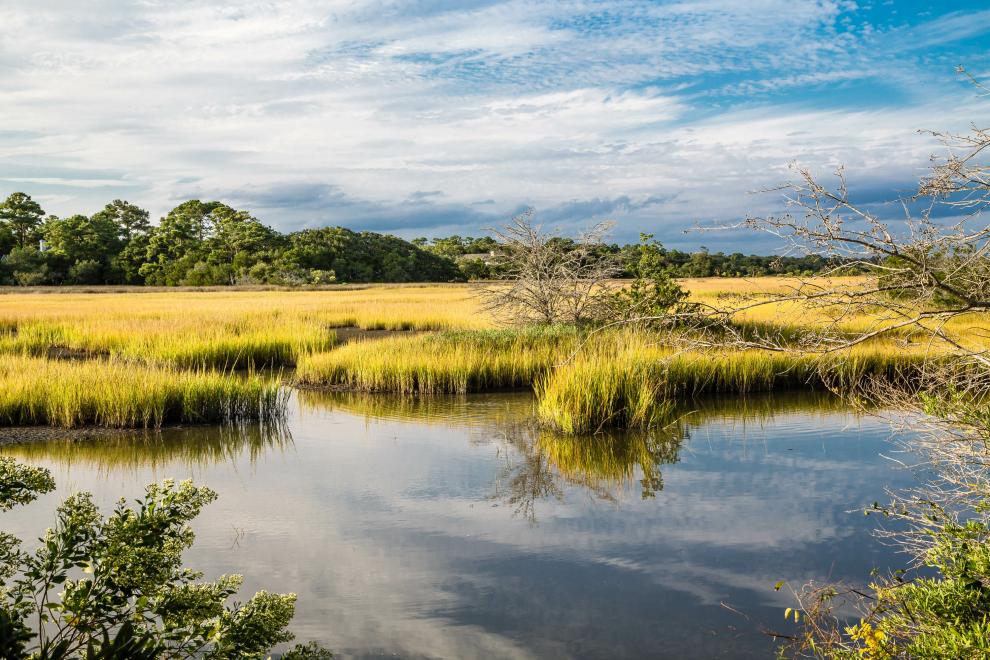
Mosquitoes are particularly adaptable living almost everywhere, except in extremely cold areas. Their favourite hunting ground includes forests, woodland, marshes, tall grass, weeds and humid areas. Avoid lakes and wet areas where mosquitoes thrive and develop.
At home and in Europe mosquitoes, ticks and other insects thrive and reproduce in many types of woodland, marshes and wet areas exposing everyone to biting. A good protection will prevent from itchiness and possible skin reactions.
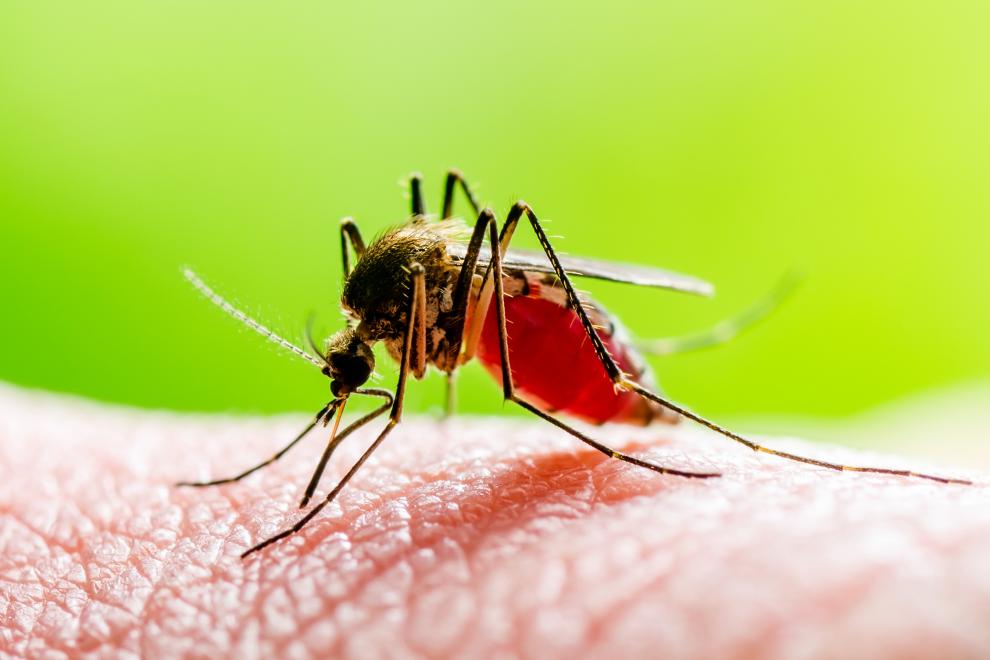
When travelling to Africa, Latin America and Asia mosquitoes are not only annoying but can also transmit many deadly diseases including malaria, Dengue Fever, and Yellow Fever.
Having a good repellent is an essential element of a travellers kit when visiting these areas.
Chikungunya is a viral disease transmitted to humans by the A. aegypti and Aedes albopictus mosquito. Mosquitoes spread the virus mainly during the day.
West Nile virus can infect humans, birds, mosquitoes, horses and other mammals.
Yellow fever is a serious viral infection, which is mainly spread by A. aegypti.
In 2015, an outbreak of Zika virus affected the Caribbean, Central and South America.
Malaria is a serious, sometimes fatal disease caused by Plasmodium parasites carried by Anopheles mosquitoes.